Common Creole Words Used Around the World
Language is one of the strongest expressions of Creole identity. From the Caribbean and North America to the Indian Ocean and West Africa, Creole languages have developed over centuries as people from different backgrounds created new ways to communicate. While each Creole language is unique, many share similarities because they evolved from European languages—primarily French or Portuguese—combined with African, Indigenous, and Asian influences.
Today, more than 20 million people speak a Creole language as their first language, preserving traditions and cultural identities that continue to thrive around the world.
What Is a Creole Language?
A Creole language is a fully developed language with its own grammar, vocabulary, pronunciation, and rules. Contrary to a common misconception, Creole languages are not simplified or "broken" versions of European languages.
Each Creole language reflects the history of the people who created it, blending influences from multiple cultures into a rich and expressive form of communication.
Some of the most widely spoken Creole languages include:
- Haitian Creole
- Antillean Creole (Martinique & Guadeloupe)
- Louisiana Creole
- Mauritian Creole
- Seychellois Creole
- Cape Verdean Creole
Greetings
Greeting others warmly is an important tradition throughout the Creole world.
| English / Haitian / Antillean / Louisiana / Mauritian / Seychellois / Cape Verdean | ||||||
| Hello / Good Morning | Bonjou | Bonjou | Bonjou | Bonzur | Bonzour | Olá / Oi |
| Good Evening | Bonswa | Bonswa | Bonswa | Bonn Swar | Bonswar | Boa Noite |
| How are you? | Kijan ou ye? | Sa ou fè? | Kouman to yé? | Ki manier? | Ki mannyer? | Modi bu sta? |
| Goodbye | Orevwa | Orevwa | Orevwar | Orevwar | Orevwar | Tchau |
| Thank You | Mèsi | Mèsi | Mersi | Mersi | Mersi | Obrigadu |
Although many greetings originated from French or Portuguese, pronunciation and spelling evolved differently across regions.
Everyday Words
Some words have remained remarkably similar despite thousands of kilometers separating Creole communities.
| English / Haitian / Antillean / Louisiana / Mauritian / Seychellois / Cape Verdean | ||||||
| Yes | Wi | Wi | Wi | Wi | Wi | Sin |
| No | Non | Non | Non | Non | Non | Nãu |
| Please | Tanpri | Silvouplé | Silvouplé | Silvouple | Silvouple | Pur Favor |
| Sorry | Padon | Padon | Pardon | Pardon | Pardon | Diskulpa |
| Good | Bon | Bon | Bon | Bon | Bon | Bon |
Family
Family plays a central role in every Creole society.
| English / Haitian / Antillean / Louisiana / Mauritian / Seychellois / Cape Verdean | ||||||
| Mother | Manman | Manman | Manman | Mama | Manman | Mãe |
| Father | Papa | Papa | Papa | Papa | Papa | Pai |
| Brother | Frè | Frè | Frè | Frer | Frer | Irmon |
| Sister | Sè | Sè | Sè | Ser | Ser | Irman |
| Family | Fanmi | Fanmi | Fanmi | Fami | Fanmir | Família |
Food
Food vocabulary often reflects the shared agricultural traditions of Creole communities.
| English / Haitian / Antillean / Louisiana / Mauritian / Seychellois / Cape Verdean | ||||||
| Rice | Diri | Diri | Diri | Diri | Diri | Arroz |
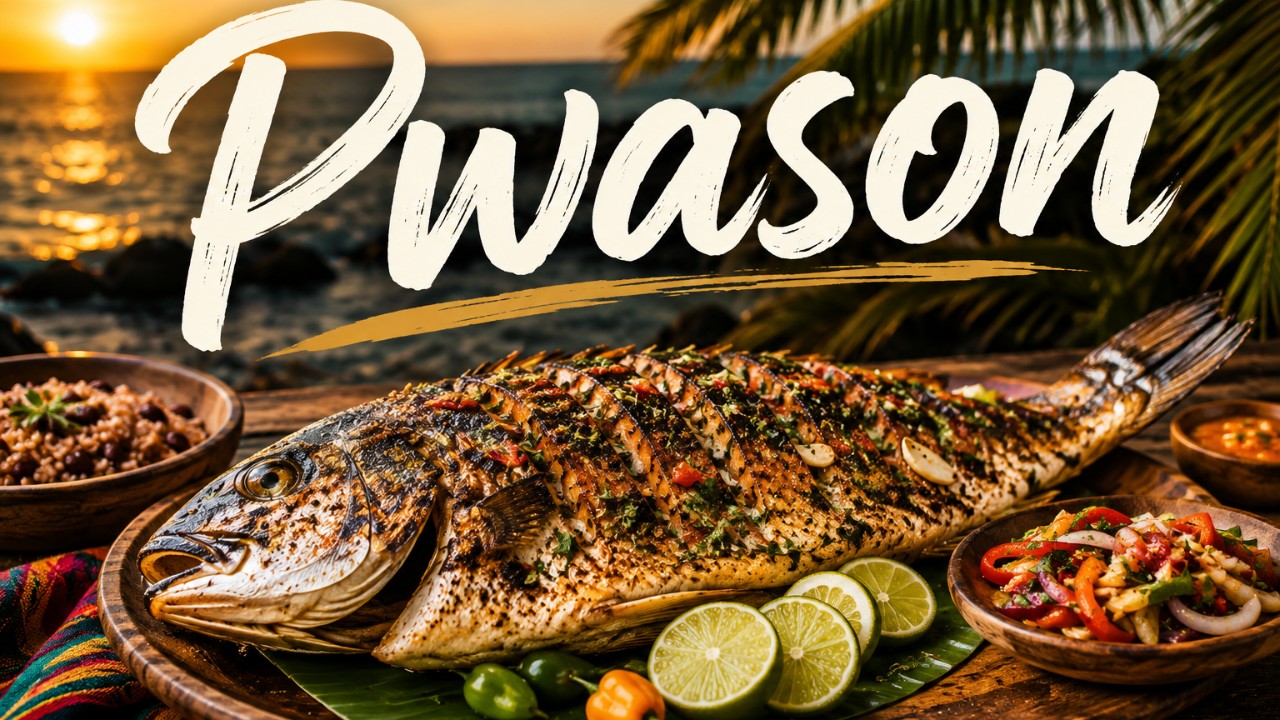
| Fish | Pwason | Pwason | Pwason | Pwason | Pwason | Pexi |
| Bread | Pen | Pen | Pen | Dipin | Dipen | Pão |
| Meat | Vyann | Vyann | Vyann | Lavyann | Lavyann | Karni |
| Water | Dlo | Dlo | Dlo | Dilo | Dilo | Água |
Many of these words reveal their French origins, while Cape Verdean Creole reflects its Portuguese linguistic heritage.
Home and Community
The concept of home is deeply important throughout the Creole world.
| English / Haitian / Antillean / Louisiana / Mauritian / Seychellois / Cape Verdean | ||||||
| Home | Lakay | Lakay | Lakay | Lakaz | Lakaz | Kaza |
| Friend | Zanmi | Zanmi | Zanmi | Kamarad | Zanmi | Amigu |
| Village | Vilaj | Vilaj | Vilaj | Vilaz | Vilaz | Vila |
| Culture | Kilti | Kilti | Kilti | Kiltir | Kiltir | Kultura |
Nature
Living on islands has influenced many common words.
| English / Haitian / Antillean / Louisiana / Mauritian / Seychellois / Cape Verdean | ||||||
| Sea | Lanmè | Lanmè | Lanmè | Lamer | Lamer | Mar |
| Sun | Solèy | Solèy | Solèy | Soley | Soley | Sol |
| Rain | Lapli | Lapli | Lapli | Lapli | Lapli | Xuba |
| Tree | Pyebwa | Pyebwa | Pyebwa | Piebwa | Pyebwa | Arvri |
Similar Roots, Different Sounds
Although these languages share many similarities, pronunciation often differs significantly.
For example:
- Bonjou (Haiti)
- Bonjou (Martinique & Guadeloupe)
- Bonzur (Mauritius)
- Bonzour (Seychelles)
Likewise:
- Mèsi in Haiti
- Mersi in Mauritius and Seychelles
- Obrigado/Obrigadu in Cape Verdean Creole
These differences reflect centuries of local evolution while preserving common linguistic roots.
Words Unique to Each Creole Culture
Every Creole language has expressions that reflect its own history.
Haiti
- Lakay — Home or homeland
- Sak Pase? — What's happening?
- N'ap boule — Everything is going well
Martinique & Guadeloupe
- Doudou — A beloved person or sweetheart
- An nou ay! — Let's go!
Louisiana
- Cher (Sha) — A term of affection meaning "dear"
- Lagniappe — A little extra or bonus given freely
Mauritius
- Lontan — Long ago
- Mari Bon — Very good
Seychelles
- Seselwa — A person from Seychelles
- Lavi Dou — The good life
Cape Verde
- Morabeza — Warm hospitality and kindness
- Sodade — A deep feeling of longing or nostalgia
These expressions beautifully capture the personality and values of each Creole community.
Why Learning Creole Words Matters
Learning a few words in another language is one of the easiest ways to connect with people and show respect for their culture.
Whether saying Bonjou in Haiti, Bonzur in Mauritius, Bonzour in Seychelles, or Olá in Cape Verde, these greetings help build meaningful connections and celebrate the diversity of the Creole world.
Preserving Creole Languages
For generations, many Creole languages were overlooked or undervalued. Today, they are increasingly recognized as national languages and essential parts of cultural heritage.
Schools, writers, musicians, artists, and digital creators are helping preserve these languages through education, literature, film, music, and online media. Their continued use ensures that future generations can remain connected to their history and identity.
Conclusion
Although Haitian, Antillean, Louisiana, Mauritian, Seychellois, and Cape Verdean Creole developed in different parts of the world, they all tell a common story of resilience, adaptation, and cultural creativity.
Each language carries the voices of generations who transformed diverse influences into vibrant ways of speaking and living. By learning these common words, we not only expand our vocabulary—we gain a deeper appreciation for the rich and interconnected heritage of the global Creole community.