
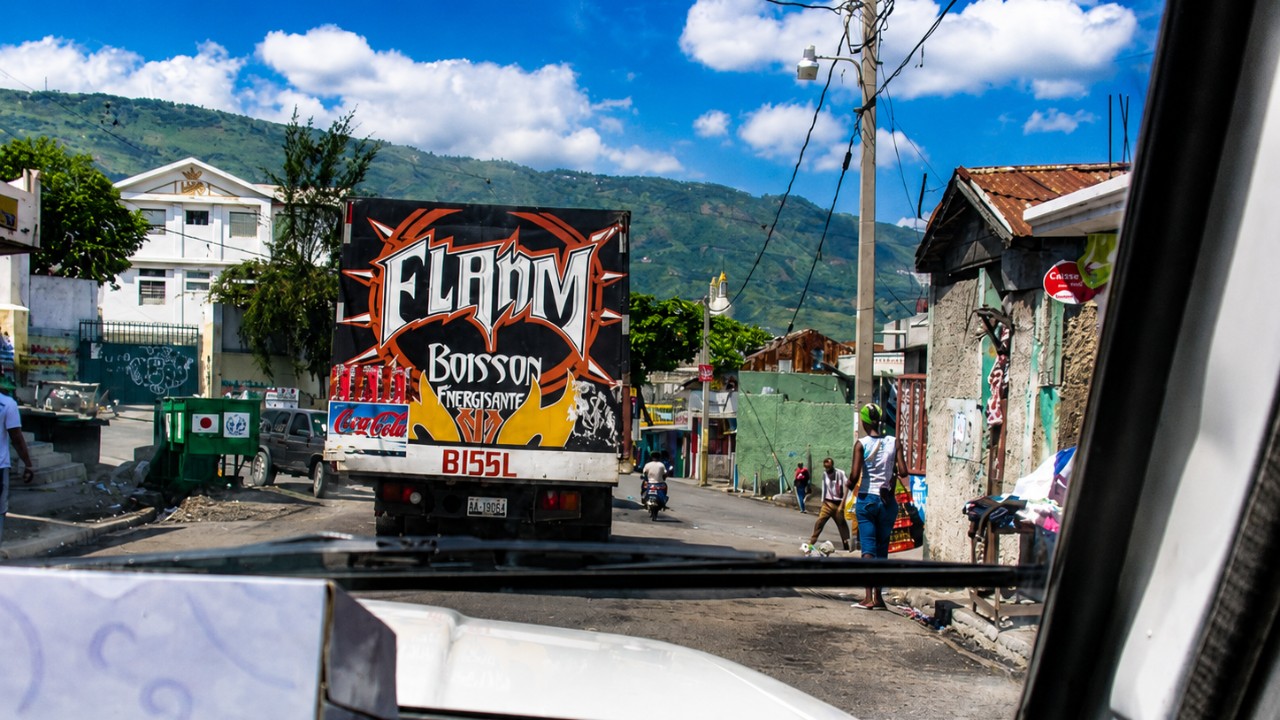
The Differences Between Haitian, Mauritian, and Seychellois Creole
The word Creole is often used as though it describes a single culture, but in reality, Creole societies around the world have developed their own distinct identities. Haiti, Mauritius, and Seychelles all experienced European colonization, African influence, and the blending of many cultures, yet each nation tells a different story through its language, traditions, food, and music.
Understanding these differences highlights the incredible diversity of the global Creole world.
A Shared Historical Foundation
All three Creole cultures emerged through centuries of interaction between European colonizers, enslaved Africans, and later immigrants from other regions.
French became the dominant colonial language in all three territories, but local populations transformed it into entirely new Creole languages while preserving African traditions and incorporating influences from Asia and Europe.
Despite these similarities, geography shaped each culture differently.
Haitian Creole
Haiti is home to the world's largest Creole-speaking population, with over 11 million speakers.
Haitian Creole is deeply influenced by:
- West African languages
- French
- Taíno Indigenous words
- Spanish
- English
The culture emphasizes resilience, spirituality, family, and community.
Signature Foods
- Griot
- Soup Joumou
- Diri Djon Djon
- Pikliz
- Tassot
- Akra
Music
Haiti has created internationally recognized genres including:
- Kompa
- Rasin (Roots Music)
- Twoubadou
- Mizik Legliz (Gospel)
Traditional Vodou rhythms remain central to Haitian musical identity.
Mauritian Creole
Mauritius is one of the world's most multicultural societies.
While French and English remain important, Mauritian Creole is the everyday language for much of the population.
Its culture blends influences from:
- African heritage
- French settlers
- Indian immigrants
- Chinese communities
- British colonial history
Signature Foods
- Dholl Puri
- Rougaille
- Mine Frite
- Vindaye
- Gateau Piment
Indian spices play a much larger role than in Caribbean Creole cuisine.
Music
The island is famous for:
- Sega
- Seggae (a fusion of Sega and Reggae)
Music is vibrant, rhythmic, and often celebrates island life.
Seychellois Creole
Seychelles consists of 115 islands in the Indian Ocean.
Seychellois Creole shares French roots but has developed its own vocabulary and pronunciation influenced by African languages and the island environment.
Its culture places a strong emphasis on nature, fishing, and island traditions.
Signature Foods
- Grilled fish
- Octopus curry
- Coconut curries
- Breadfruit
- Fresh tropical fruits
Fresh seafood is at the heart of Seychellois cuisine.
Music
Popular styles include:
- Moutya
- Sega
Traditional drumming and dance remain important cultural celebrations.
Language Differences
Although all three are French-based Creole languages, they are not mutually identical.
| Haitian CreoleMauritian CreoleSeychellois Creole | ||
| Largest number of speakers | Spoken mainly in Mauritius | Spoken mainly in Seychelles |
| Strong West African influence | Strong Indian influence | Strong island and African influence |
| Unique grammar and vocabulary | Different pronunciation | Distinct vocabulary and expressions |
A speaker from Haiti may recognize some familiar French-derived words but would likely have difficulty holding a full conversation with speakers from Mauritius or Seychelles without prior exposure.
Cultural Identity
Each Creole culture celebrates community, hospitality, storytelling, music, and family, but their daily lives differ greatly.
Haiti reflects Caribbean traditions shaped by revolution and African heritage.
Mauritius showcases one of the world's most multicultural societies, where African, Indian, Chinese, and European influences coexist.
Seychelles embraces an island lifestyle centered on the ocean, fishing, tropical agriculture, and close-knit communities.
One Creole World, Many Identities
While Haitian, Mauritian, and Seychellois Creole cultures share historical roots, each has developed a unique identity shaped by geography, migration, and centuries of cultural exchange. Together, they demonstrate that "Creole" is not a single culture but a rich family of traditions spanning oceans and continents.
Their languages, cuisines, music, and customs continue to preserve a vibrant heritage while evolving for future generations.