
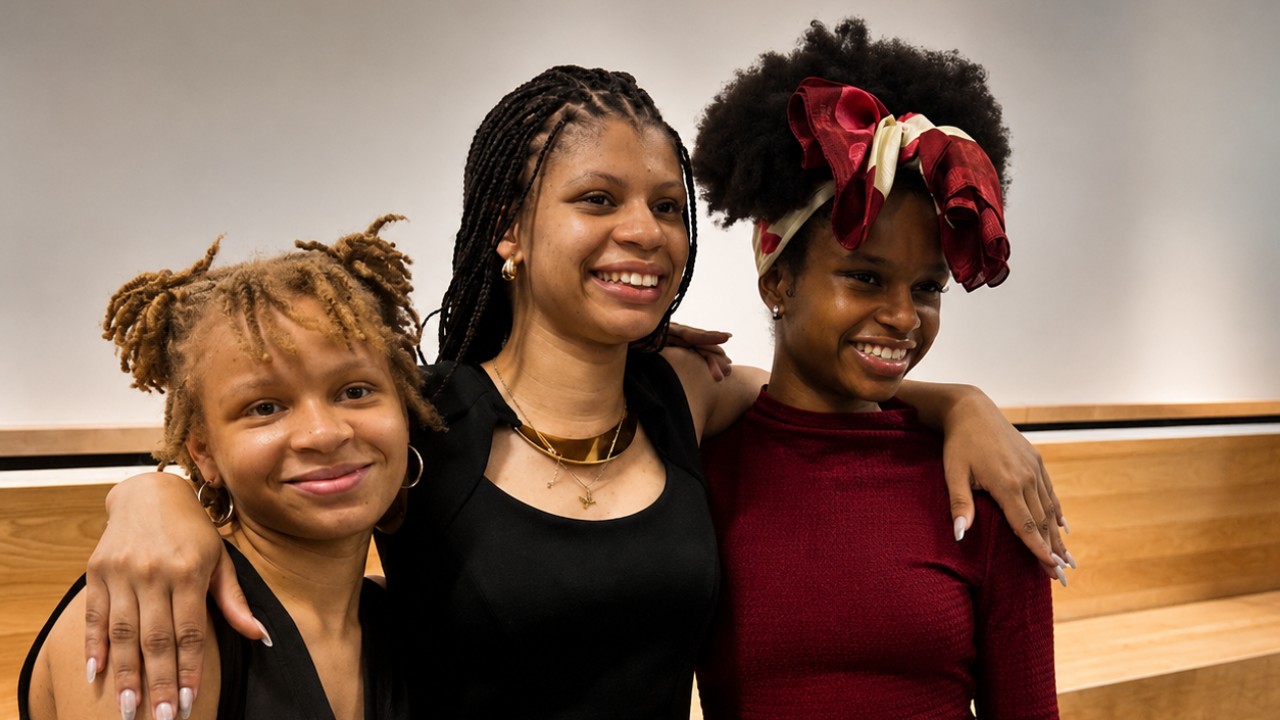
A Global Story of Culture, Language, and Identity
The word Creole is often associated with the Caribbean, but Creole peoples exist across several continents. From the islands of the Caribbean to the Indian Ocean, Louisiana, West Africa, and South America, Creole communities were born from centuries of migration, trade, colonization, resilience, and cultural blending.
Today, Creole identity represents one of the world's richest examples of multicultural heritage—where African, European, Indigenous, Asian, and other influences merged to create entirely new cultures rather than simply preserving old ones.
What Does "Creole" Mean?
The term Creole comes from the Portuguese word crioulo and the Spanish criollo, originally referring to people born in the colonies rather than Europe.
Over time, the meaning evolved dramatically.
Today, "Creole" may describe:
- A people
- A language
- A culture
- A cuisine
- A musical tradition
- A shared historical identity
Because every region experienced colonization differently, there is no single definition of Creole.
Instead, every Creole community has its own unique story.
How Creole Peoples Emerged
Between the 15th and 19th centuries, European colonial powers expanded across the globe.
Major colonial powers included:
- France
- Spain
- Portugal
- Britain
- The Netherlands
Colonies brought together populations that had rarely interacted before.
These included:
- Indigenous peoples
- Enslaved Africans
- European settlers
- Asian indentured laborers
- Middle Eastern merchants
Despite harsh conditions, these communities adapted, married, traded, shared traditions, and built entirely new societies.
From these interactions emerged Creole cultures.
The Caribbean: The Largest Creole Cultural Region
The Caribbean became the heart of Creole civilization.
Millions of Africans were forcibly brought to plantations where they encountered European colonists and Indigenous Caribbean peoples.
Although slavery attempted to erase identities, African traditions survived by blending with European customs and local influences.
This produced:
- Creole languages
- Creole music
- Creole religions
- Creole architecture
- Creole cuisine
Some of today's best-known Caribbean Creole societies include:
Haiti
The world's first Black republic developed one of the strongest Creole identities.
Haitian Creole became the language of everyday life while preserving many West African linguistic patterns.
Traditional culture combines African heritage with French influences to create unique music, cuisine, spirituality, and art.
Martinique & Guadeloupe
These French Caribbean islands developed vibrant Creole cultures centered around:
- French-based Creole language
- Zouk music
- Colorful markets
- Rich culinary traditions
- Carnival celebrations
Their Creole identity remains central despite their status as French overseas departments.
Dominica & Saint Lucia
Although English is the official language today, French Creole remains widely spoken and celebrated through festivals, storytelling, and traditional music.
Louisiana: America's Creole Heritage
Few places celebrate Creole culture as visibly as Louisiana.
French settlers, Spanish colonists, Africans, Native Americans, and Caribbean migrants all contributed to Louisiana's unique identity.
Louisiana Creoles influenced:
- Jazz
- Cajun and Creole cuisine
- Architecture
- Literature
- Religious traditions
Classic Creole dishes such as gumbo, jambalaya, and shrimp étouffée reflect centuries of cultural exchange.
The Indian Ocean Creoles
Creole societies also flourished thousands of miles from the Caribbean.
Mauritius
French settlers, enslaved Africans, Indian laborers, Chinese immigrants, and Europeans created one of the world's most multicultural Creole societies.
Mauritian Creole is now spoken by most of the population.
Seychelles
The Seychelles developed a national Creole identity blending African, French, Indian, and British influences.
Creole language, cuisine, and music remain national symbols.
Réunion Island
Réunion combines French administration with African, Malagasy, Indian, Chinese, and European traditions.
Its Creole culture is reflected in food, dance, music, and language.
West Africa's Forgotten Creole Communities
Many people are surprised to learn that Creole societies also exist in Africa.
Communities developed in places such as:
- Sierra Leone
- Guinea-Bissau
- Cape Verde
These groups often emerged from:
- Freed slaves
- European traders
- Local African populations
Their languages combine European vocabulary with African grammar and pronunciation.
South American Creole Cultures
Creole identities also developed throughout northern South America.
Countries including:
- Guyana
- Suriname
- French Guiana
share histories shaped by African, Indigenous, European, and Asian populations.
Many local cuisines, musical styles, and languages reflect these diverse origins.
Creole Languages: A New Way of Speaking
One of the defining features of Creole societies is language.
Contrary to old misconceptions, Creole languages are complete languages with their own grammar, vocabulary, and rules.
Examples include:
- Haitian Creole
- Mauritian Creole
- Seychellois Creole
- Louisiana Creole
- Antillean Creole
- Cape Verdean Creole
Many developed because people speaking different languages needed to communicate in colonial societies.
Over generations, these communication systems evolved into fully developed native languages.
A Shared Heritage Through Food
Food tells the story of Creole history.
Across the world, common ingredients include:
- Rice
- Seafood
- Plantains
- Beans
- Root vegetables
- Peppers
- Herbs and spices
Yet each region transformed these ingredients into distinct local specialties.
Examples include:
- Haitian griot
- Soup Joumou
- Diri Djon Djon
- Louisiana gumbo
- Jambalaya
- Colombo
- Cari
- Rougail
Each dish reflects generations of cultural exchange.
Music That Crossed Oceans
Creole cultures produced some of the world's most influential musical traditions.
These include:
- Kompa
- Zouk
- Jazz
- Maloya
- Sega
- Biguine
- Cadence
- Mizik Rasin
African rhythms blended with European instruments and local traditions to create entirely new sounds that continue inspiring artists worldwide.
Why Creole Identity Matters Today
Creole identity is not simply about ancestry.
It represents:
- Cultural resilience
- Adaptation
- Community
- Diversity
- Creativity
Despite centuries of colonialism, slavery, and migration, Creole peoples transformed hardship into thriving cultures that continue enriching the world through language, food, music, literature, and art.
Conclusion
The story of Creole peoples is a global story. From Haiti to Louisiana, from Mauritius to Seychelles, and from Martinique to Cape Verde, Creole communities demonstrate how different cultures can blend to create something entirely original.
Today, Creole traditions continue to evolve while preserving the resilience and creativity of generations who built new identities from diverse roots. Whether expressed through a shared meal, a vibrant festival, a beloved language, or the rhythm of music, Creole culture remains one of humanity's most remarkable cultural legacies.