
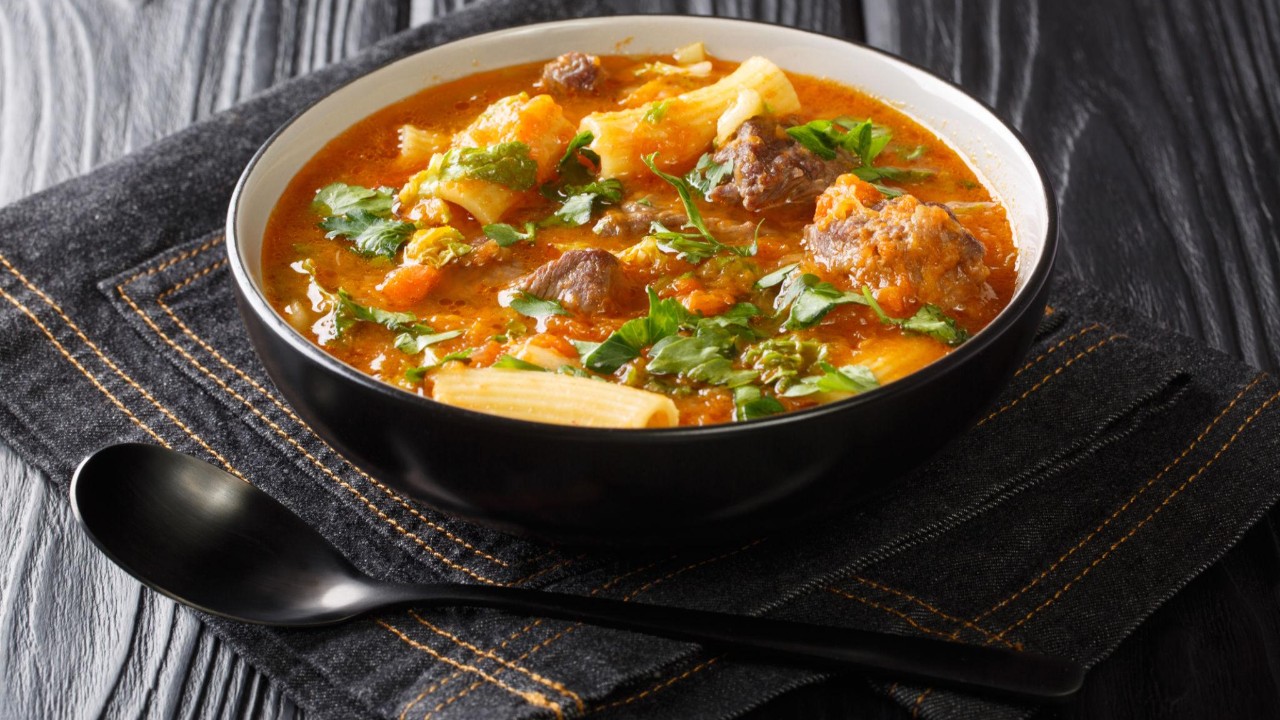
Why Soup Joumou Is a UNESCO Heritage Dish
Few dishes in the world carry the historical and cultural significance of Soup Joumou. While many countries have soups that represent comfort and family traditions, Haiti has a soup that represents something even greater: freedom.
Prepared every year on January 1, Haiti's Independence Day, Soup Joumou commemorates one of the most remarkable moments in world history—the successful Haitian Revolution and the birth of the first independent Black republic.
Today, the soup is recognized not only as a treasured national dish but also as a cultural tradition of global importance.
A Soup That Became a Symbol of Freedom
During the French colonial era of Saint-Domingue (now Haiti), pumpkin soup was considered a luxurious dish enjoyed by the French colonists. Enslaved Africans often prepared the soup but were forbidden from eating it themselves.
After Haiti declared its independence on January 1, 1804, everything changed.
The newly free Haitian people prepared and shared Soup Joumou as a declaration that they would no longer be denied the foods, rights, and dignity reserved for others.
Since then, every bowl of Soup Joumou has carried the memory of Haiti's struggle for liberty and the triumph of a people who fought for their freedom.
What Makes Soup Joumou Special?
Soup Joumou is both hearty and elegant.
Its rich broth is traditionally made from Caribbean pumpkin or squash blended into a smooth base and combined with tender meat, fresh vegetables, herbs, pasta, and aromatic seasonings.
Typical ingredients include:
- Caribbean pumpkin (joumou)
- Beef
- Potatoes
- Carrots
- Turnips
- Cabbage
- Celery
- Leeks
- Pasta
- Garlic
- Onions
- Thyme
- Parsley
- Scotch bonnet pepper
- Lime or sour orange juice
Each family may have its own recipe, but the spirit of sharing remains the same.
A Family Tradition
Across Haiti and throughout the Haitian diaspora, families gather before dawn on New Year's Day to prepare Soup Joumou.
The process is often a shared effort:
- One person prepares the vegetables.
- Another seasons the meat.
- Someone blends the pumpkin.
- Children help set the table.
- Grandparents pass down recipes and family stories.
For many Haitians, the meal marks not only the beginning of a new year but also a reaffirmation of their history and identity.
UNESCO Recognition
In 2021, UNESCO added Soup Joumou to the Representative List of the Intangible Cultural Heritage of Humanity.
This recognition honors more than the recipe itself—it celebrates the traditions, knowledge, community practices, and historical meaning associated with preparing and sharing the soup.
UNESCO acknowledged Soup Joumou as a living cultural tradition that continues to unite generations of Haitians both in Haiti and across the world.
More Than a Meal
Soup Joumou tells a story that extends beyond the kitchen.
It represents:
- Freedom
- Equality
- Resistance
- Family
- Unity
- Cultural pride
- Hope for future generations
For Haitians, serving Soup Joumou is a way of remembering the sacrifices of their ancestors while celebrating the resilience of their nation.
Regional and Family Variations
Although the core ingredients remain similar, recipes vary from family to family.
Some cooks prepare a thicker soup, while others prefer a lighter broth.
Variations may include:
- Different cuts of beef
- Additional root vegetables
- Dumplings instead of pasta
- More or less spice
- Regional herbs and seasonings
These differences reflect the diversity of Haitian households while preserving the tradition's essential meaning.
A Global Tradition
Wherever Haitians have settled, Soup Joumou has followed.
Today it is prepared in:
- Haiti
- Canada
- United States
- France
- Dominican Republic
- The Bahamas
- Turks and Caicos
- French Guiana
Community organizations, churches, cultural associations, and Haitian restaurants often organize Soup Joumou gatherings every January 1, bringing people together to celebrate Haiti's independence and share their heritage with others.
Traditional Preparation
Traditional Haitian culinary references describe Soup Joumou as a rich soup prepared with pumpkin, beef, root vegetables, cabbage, pasta, herbs, and aromatic seasonings. The pumpkin is cooked until tender, blended into a smooth base, and combined with vegetables and meat to create a hearty meal that is traditionally served on New Year's Day.
Fun Facts
- Soup Joumou is traditionally eaten on January 1, Haiti's Independence Day.
- Every Haitian family has its own version of the recipe.
- The soup combines African, French, and Caribbean culinary influences.
- It is one of the few national dishes in the world directly associated with a country's independence.
- Preparing Soup Joumou is as much about preserving history as it is about cooking.
Frequently Asked Questions
Why is Soup Joumou eaten on January 1?
It commemorates Haiti's declaration of independence on January 1, 1804, and symbolizes the freedom won through the Haitian Revolution.
Is Soup Joumou only eaten once a year?
Although it is most closely associated with New Year's Day, many families and restaurants prepare it throughout the year because of its rich flavor and cultural significance.
Can Soup Joumou be made without beef?
Yes. Some modern versions use chicken or are entirely vegetarian, although the traditional recipe is typically made with beef.
Why It Matters
Soup Joumou is much more than a traditional Haitian dish—it is a living reminder of courage, perseverance, and national pride. Every bowl connects generations through shared memories, family traditions, and one of the most extraordinary stories of freedom in human history.
For Haitians around the world, preparing Soup Joumou each New Year's Day is not simply a culinary tradition. It is an act of remembrance, celebration, and cultural preservation.