
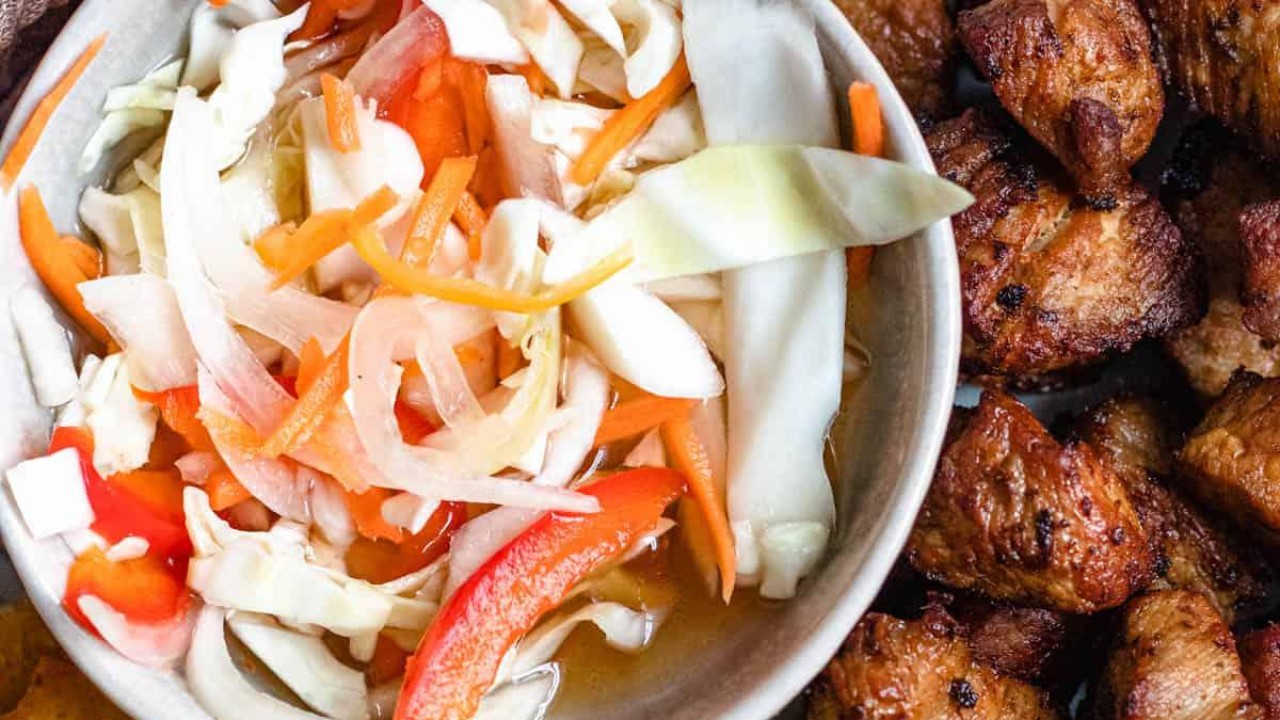
The History of Haitian Griot
Among Haiti's many culinary treasures, few dishes are as iconic as Griot. Crispy on the outside, tender on the inside, and bursting with citrus and spice, Griot has become one of the country's most recognizable traditional foods.
Served at family celebrations, weddings, holidays, birthday parties, and Sunday dinners, Griot represents much more than a delicious meal. It is a symbol of hospitality, togetherness, and Haitian pride.
Today, Haitian communities around the world continue to prepare Griot as a way of preserving their culture and sharing it with future generations.
The Origins of Griot
The exact origins of Griot are difficult to trace, but historians agree that the dish reflects Haiti's unique blend of African, French, Indigenous Caribbean, and colonial influences.
African culinary traditions brought techniques for marinating, slow-cooking, and seasoning meats with herbs and spices. French cooking methods introduced new preparation techniques, while local Caribbean ingredients—including sour oranges, Scotch bonnet peppers, garlic, and thyme—gave the dish its unmistakable flavor.
Over time, Haitian cooks perfected a method that remains largely unchanged today: marinate pork, simmer it until tender, and finish it by frying until golden and crispy.
A Dish Reserved for Celebrations
In many Haitian households, Griot is considered a special-occasion meal.
It is commonly served during:
- Weddings
- Baptisms
- Christmas celebrations
- New Year's gatherings
- Family reunions
- Birthday parties
- Community festivals
- Sunday family dinners
Preparing Griot often becomes a family activity, with several generations helping to season the meat, prepare side dishes, and share stories while cooking.
The Secret Behind Authentic Griot
What separates authentic Haitian Griot from ordinary fried pork is the preparation.
The pork is traditionally:
- Washed with citrus or sour orange juice.
- Seasoned generously with garlic, thyme, parsley, onions, peppers, and spices.
- Marinated for several hours or overnight.
- Simmered slowly until tender.
- Fried at a high temperature to create its signature crispy exterior.
This two-stage cooking process creates the perfect balance of juicy meat and crunchy edges.
The Importance of Citrus
One characteristic that makes Haitian Griot unique is the generous use of citrus.
Fresh sour orange, bitter orange, or lime juice helps:
- Tenderize the meat.
- Brighten its flavor.
- Balance the richness of the pork.
- Create the distinctive taste associated with authentic Haitian cooking.
The citrus marinade has become one of the defining characteristics of the dish.
The Perfect Accompaniments
Although Griot can be enjoyed on its own, it is traditionally served with several classic Haitian side dishes.
The most common pairings include:
- Pikliz, Haiti's famous spicy pickled vegetable relish.
- Banan Peze (twice-fried green plantains).
- Diri Djon Djon (black mushroom rice).
- Mayi Moulen (cornmeal).
- Rice and beans.
- Fresh avocado when in season.
Together, these dishes create one of Haiti's most celebrated meals.
Griot Around the World
As Haitians settled abroad, Griot traveled with them.
Today it can be found in Haitian restaurants throughout:
- Canada
- United States
- France
- Dominican Republic
- The Bahamas
- Turks and Caicos
- French Guiana
Many chefs now introduce Griot to people discovering Haitian cuisine for the first time, making it an ambassador of Haitian culture.
A Symbol of Haitian Hospitality
Offering Griot to guests is often considered a gesture of generosity and welcome.
Whether prepared for a holiday celebration or a casual gathering with friends, the dish reflects values that are central to Haitian culture:
- Sharing
- Family
- Celebration
- Community
- Pride in tradition
These values are as important as the recipe itself.
Traditional Preparation
Historical Haitian cooking methods emphasize marinating the pork with citrus before simmering it until tender and then frying it until crisp. Older Haitian culinary references also describe preparing a flavorful cooking broth and serving the fried pork with Sauce Ti-Malice, a tangy Creole sauce made with shallots, citrus, and peppers. These techniques continue to influence modern recipes.
Interesting Facts
- Griot is widely considered Haiti's national dish.
- Every Haitian family has its own seasoning blend and cooking method.
- The dish is famous for combining tender meat with a crispy exterior.
- Griot is one of the first Haitian foods many visitors experience.
- It is frequently featured at Haitian cultural festivals around the world.
Frequently Asked Questions
Is Griot always made with pork?
Traditional Haitian Griot is made with pork. Similar preparation methods are sometimes used with beef (Tassot), goat, or other meats, but authentic Griot refers specifically to pork.
Why is the pork boiled before frying?
Simmering allows the seasonings to penetrate the meat while making it tender. Frying afterward creates the signature crisp texture without drying out the inside.
What does Griot taste like?
Griot has a rich, savory flavor balanced by citrus, herbs, garlic, and mild heat. The crispy exterior contrasts with the juicy interior, making it one of Haiti's most satisfying dishes.